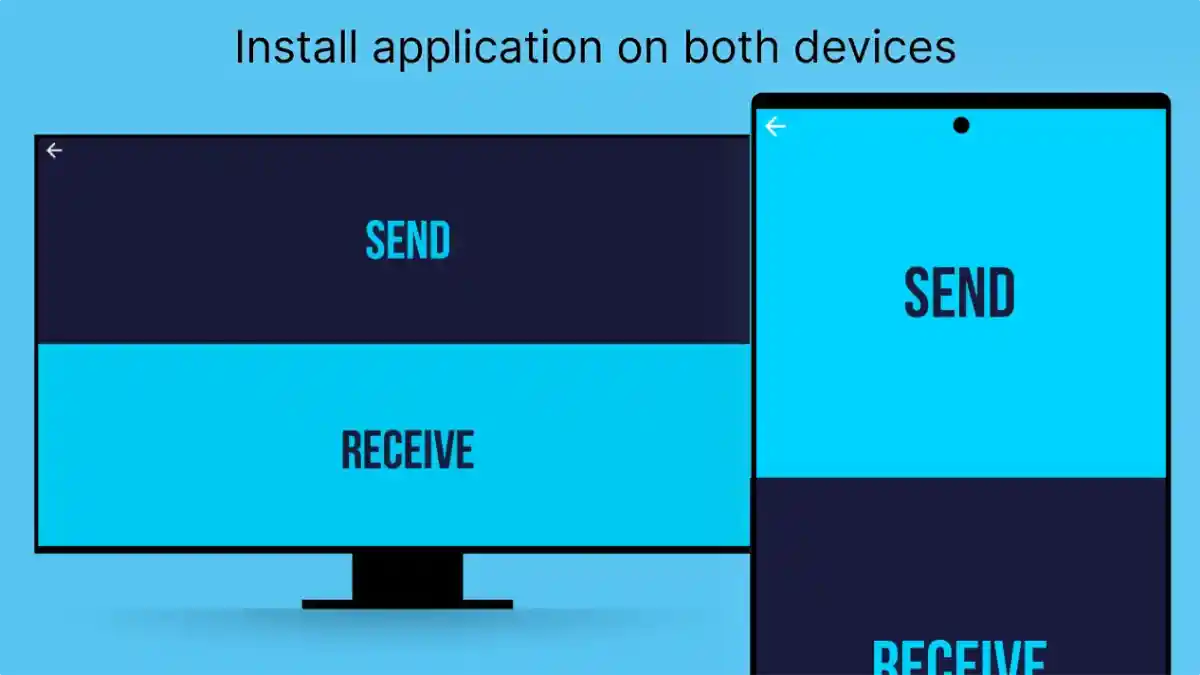
Send Files To TV File Transfer Speed
Learn about Send Files To TV transfer speed, factors affecting wireless file sharing, network performance, device capability, and ways to improve transfers.
File transfer speed plays an important role when moving digital content between smartphones, Android TV devices, computers, and other connected platforms.
Users often transfer different types of files, including:
- APK applications
- Videos
- Images
- Documents
- Large media files
A faster and more reliable transfer experience helps users manage content more efficiently.
Send Files To TV APK provides a wireless file-sharing method designed to simplify communication between compatible devices.
The transfer speed depends on several factors, including:
- Network quality
- File size
- Device performance
- Storage capability
- Connection stability
Users who want to understand the complete application can explore Send Files To TV APK.
Understanding File Transfer Speed
File transfer speed refers to how quickly digital content moves from one device to another.
The speed is influenced by the connection between:
- Sending device
- Receiving device
- Network environment
- Application performance
A smooth transfer experience requires all connected elements to work effectively.
Factors Affecting Send Files To TV Speed
Several factors can influence how quickly files are transferred.
Network Connection Quality
The connection between devices has a major impact on transfer performance.
A stable network can help provide:
- Faster communication
- Fewer interruptions
- More reliable transfers
Weak connections may result in:
- Slow transfers
- Failed sharing
- Longer waiting times
File Size
The size of the file directly affects transfer duration.
Small files such as:
- Images
- Documents
usually transfer faster compared with larger files such as:
- High-quality videos
- Large applications
Device Performance
The capability of both sending and receiving devices affects transfer speed.
Important device factors include:
- Processor performance
- Available memory
- Storage speed
- System condition
Older devices may process transfers differently compared with newer hardware.
Improving Wireless Transfer Performance
Users can improve transfer speed by following simple practices.
Maintain Strong Device Connection
Keeping devices properly connected helps reduce interruptions.
Close Background Applications
Unnecessary applications may use device resources.
Closing them can help improve available performance.
Keep Enough Storage Space
Storage limitations can slow down or interrupt file transfers.
Users should maintain sufficient space on receiving devices.
Large File Transfer Considerations
Large files require more time and resources during transfer.
Examples include:
Video Files
High-quality videos often contain larger amounts of data.
APK Packages
Application files may vary significantly in size depending on their content.
Media Collections
Multiple files transferred together may require additional transfer time.
Android TV Transfer Performance
Android TV devices may have different performance capabilities compared with smartphones.
Transfer performance can depend on:
- TV hardware
- Available storage
- System version
- Network environment
Users interested in Android TV file sharing can explore Send Files To TV For Android TV.
Network Conditions And Transfer Reliability
Wireless file sharing depends heavily on connection conditions.
Users can improve reliability by:
Reducing Network Traffic
Multiple devices using the same network may affect performance.
Maintaining Device Proximity
Keeping connected devices within a suitable range may improve communication.
Checking Connection Stability
A consistent connection helps prevent transfer interruptions.
Comparing Wireless And Traditional Transfer Methods
Traditional methods such as USB drives and cables have their own advantages, but wireless transfer provides additional convenience.
Wireless methods offer:
- Less hardware dependency
- Easier device communication
- More flexible placement
However, performance can vary depending on network and device conditions.
Troubleshooting Slow Transfers
When transfers become slow, users can check several areas.
Check Network Connection
A weak connection may reduce performance.
Restart Devices
Restarting can refresh system resources.
Review File Size
Large files naturally require more transfer time.
Update Applications
Updated applications may provide better stability.
Users interested in updates can explore Send Files To TV Latest Version.
File Transfer Speed And User Experience
Speed affects how users interact with file-sharing applications.
A better transfer experience allows users to:
- Move content quickly
- Manage files efficiently
- Access media more conveniently
For modern connected devices, efficient file management has become an important part of digital usage.
Frequently Asked Questions
Conclusion
Send Files To TV transfer speed depends on multiple technical factors, including network stability, file size, and device capability.
By maintaining proper device conditions, using reliable connections, and managing files effectively, users can create a smoother wireless sharing experience.
Understanding these factors helps users transfer applications, videos, images, and other digital content more efficiently across connected devices.