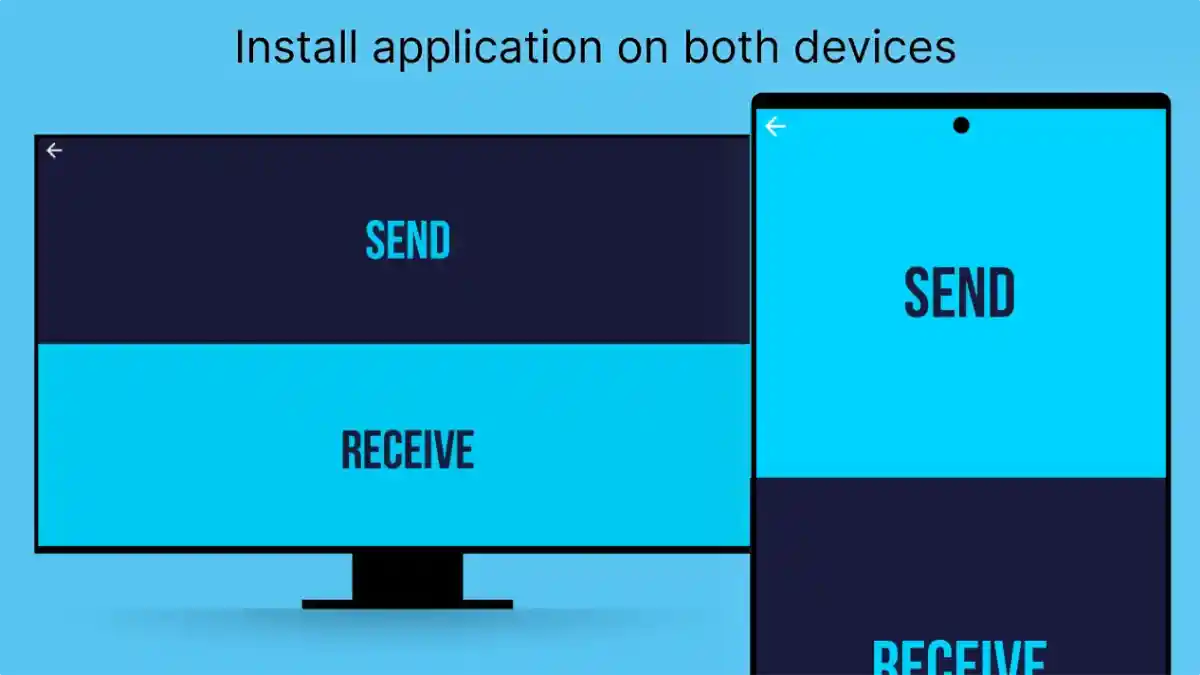
Send Files To TV Wireless Transfer
Learn how Send Files To TV wireless transfer works, including device connectivity, file sharing process, Android compatibility, and benefits of cable-free transfers.
The increasing number of connected devices has changed how people manage digital content. Users now store files across smartphones, tablets, computers, Android TV devices, and smart entertainment systems.
Because of this connected environment, transferring files between devices has become an important requirement.
Traditional transfer methods often involve:
- USB cables
- External storage devices
- Manual file movement
- Complicated device connections
Wireless file transfer provides a simpler approach by allowing devices to communicate without physical connections.
Send Files To TV APK focuses on making file sharing easier between smartphones, Android TV devices, and other compatible platforms.
The wireless transfer experience includes:
- Device-to-device communication
- File selection
- Content sharing
- Smart TV connectivity
- Android file management
Users who want to explore the complete application can visit Send Files To TV APK.
What Is Wireless File Transfer?
Wireless file transfer is a method of moving digital files between devices through a network-based connection instead of physical cables.
This approach allows users to send content more conveniently between connected devices.
Wireless transfer can be useful for moving:
- Applications
- Videos
- Images
- Documents
- Other digital files
The main advantage is flexibility because users can manage content without carrying additional hardware.
How Send Files To TV Wireless Transfer Works
The transfer process follows a simple communication method between devices.
The general workflow includes:
- Connect Devices
- Select Files
- Choose Receiving Device
- Start Transfer
- Complete Sharing
This simple process reduces the complexity usually associated with moving files between different platforms.
Advantages Of Cable-Free File Sharing
Wireless transfer provides several benefits compared with traditional methods.
Convenience
Users do not need to search for cables or external storage devices.
This makes file sharing easier in everyday situations.
Better Device Flexibility
Users can transfer files between devices located in different places within the same connection environment.
Faster Access To Content
Transferred files become available on the required device without additional manual steps.
Smartphone To TV Wireless Sharing
Smartphones are often the main source of digital content.
Users commonly store:
- Downloaded applications
- Personal videos
- Photos
- Documents
However, smartphones have smaller screens compared with televisions.
Wireless sharing allows users to move content from mobile devices to larger screens.
Common examples include:
Watching Personal Videos
Users can transfer videos from smartphones and view them on television screens.
Displaying Images
Photos and visual content can be enjoyed on larger displays.
Moving Applications
APK files can be transferred for Android TV management.
Users interested in application transfers can explore Send Files To TV Features.
Wireless Transfer Between Android Devices
Android devices provide flexibility for managing digital content.
Users may need to move files between:
- Smartphones
- Android TV devices
- Tablets
- Other compatible systems
Wireless transfer creates a simpler connection between these devices.
File Types Supported Through Transfer
Different users have different file-sharing needs.
Common transfer categories include:
APK Files
Application packages can be moved between compatible Android environments.
Video Files
Media content can be transferred for entertainment purposes.
Images
Photos and visual files can be shared between devices.
Documents
Important files and documents can also be moved when required.
Improving Wireless Transfer Speed
Transfer performance depends on multiple factors.
Users can improve their experience through:
Stable Network Connection
A reliable connection helps maintain consistent communication between devices.
Proper Device Placement
Devices should remain connected properly during transfers.
Managing Large Files
Large files may require more transfer time compared with smaller content.
Wireless Transfer Security
File sharing involves moving personal data between devices, so users should maintain awareness.
Important practices include:
Transfer Files Between Trusted Devices
Users should only share content with devices they recognize.
Review Shared Content
Checking files before transfer helps maintain better control.
Maintain Device Security
Updated devices and responsible usage habits improve overall safety.
Common Wireless Transfer Problems
Users may sometimes experience issues during file sharing.
Connection Failure
Possible causes:
- Device communication problems
- Network issues
- Application errors
Solutions:
- Check device connection
- Restart the application
- Try again
Slow Transfer Speed
Possible reasons:
- Large files
- Weak connection
- Device limitations
Solutions:
- Improve network conditions
- Reduce unnecessary activity
- Maintain device performance
Wireless Transfer In Modern Digital Environments
As homes become more connected, users need easier ways to manage content across multiple devices.
Modern setups often include:
- Smartphones
- Smart TVs
- Streaming devices
- Android TV systems
Wireless file-sharing solutions help these devices work together more effectively.
Frequently Asked Questions
Conclusion
Send Files To TV wireless transfer provides a convenient way to share digital content between smartphones, Android TV devices, and compatible platforms.
By removing the need for cables and simplifying device communication, wireless file sharing makes it easier to manage applications, videos, images, and other files.
As connected devices continue growing, simple wireless transfer solutions become increasingly useful for modern digital lifestyles.